Carbon Reduction Starts with Methane: The 25× Opportunity in Waste Management
Methane traps 25 times more heat than CO₂ over 100 years. Capturing it from waste is the fastest, most cost-effective climate action most organizations can take, with verified accounting.
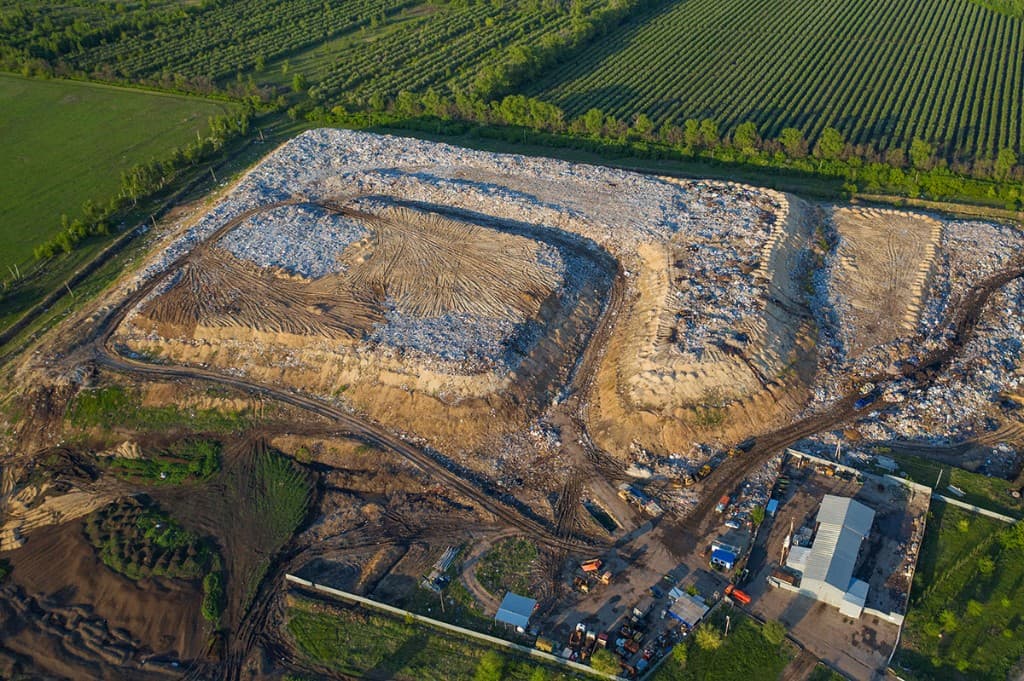
Climate strategies typically begin with electricity and transport. But for any organization handling organic waste, the largest near-term win sits in an often-overlooked area: open dumps, lagoons, and unmanaged landfill sites that emit methane continuously.
Why methane dominates near-term warming
Over a 100-year horizon, methane warms the planet roughly 25 times more than the same mass of CO₂, and over 20 years, more than 80 times. Organic waste decomposing in open environments is a continuous methane source that many carbon inventories still undercount.
Capturing that methane in a sealed digester delivers a double benefit: the emission is avoided, and the captured gas displaces fossil fuel consumption elsewhere in the energy system.
Verified accounting unlocks value
A facility processing 100 tons of food waste daily can avoid approximately 25,000 tons of CO₂-equivalent per year. IWRREC's methane accounting methodology aligns with IPCC Tier 2 approaches and is accepted by major voluntary and compliance carbon registries.
As carbon markets mature, verified methane capture is transitioning from a sustainability checkbox to a documented revenue stream, one that IWRREC guidance helps operators quantify, report, and audit with confidence.