Performance Benchmarking
Standardized test protocols that measure machinery throughput, efficiency, energy consumption, and operational reliability under defined operating conditions.
Equipment Testing Standards
IWRREC publishes performance benchmarks, safety requirements, and testing protocols for material handling, sorting, shredding, and monitoring equipment — verified by accredited laboratory partners.
Equipment Categories
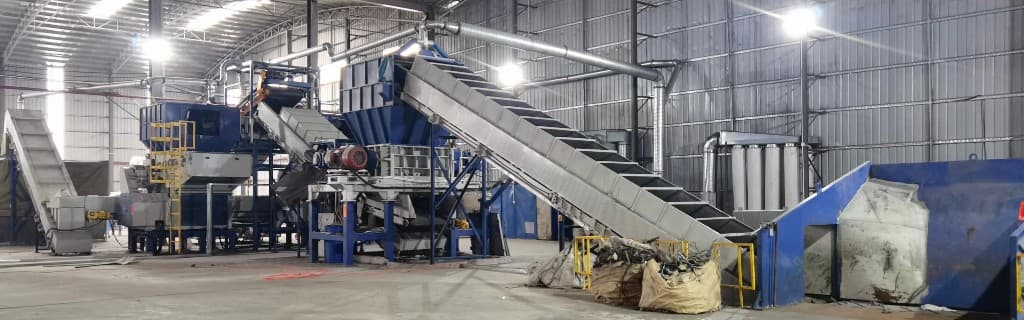
Testing standards for conveyors, feeders, balers, and transport systems used in waste collection and processing facilities, covering load capacity, durability, and contamination control performance.
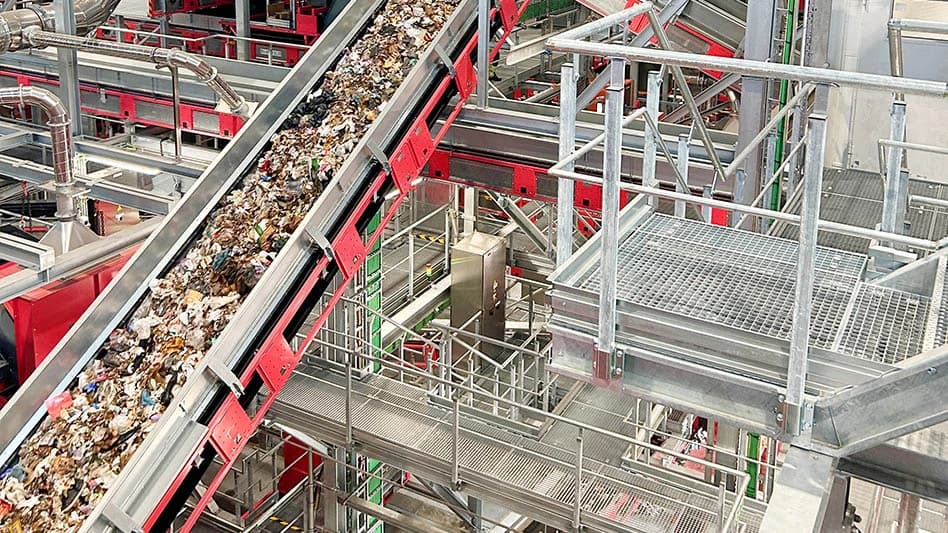
Performance standards for optical sorters, magnetic separators, air classifiers, and screening equipment, defining separation efficiency, throughput rates, and contamination rejection benchmarks.

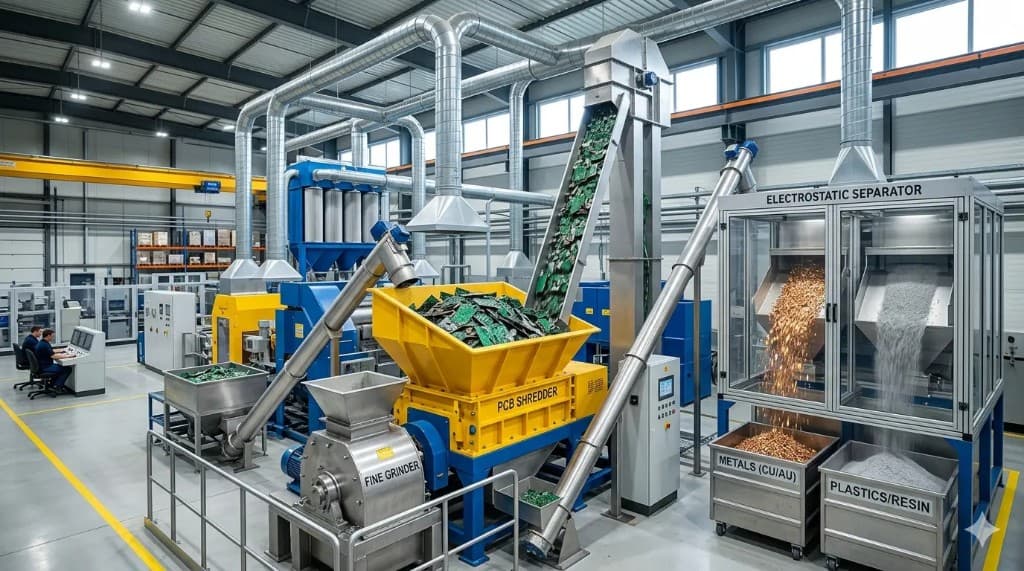
Testing protocols for shredders, granulators, and pulverizers processing municipal, industrial, and organic waste streams, covering particle size distribution and energy consumption.
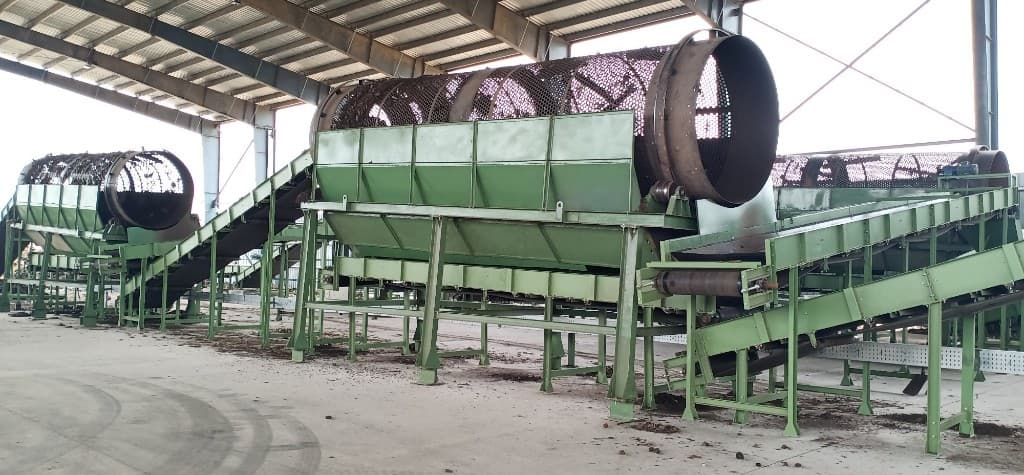
Standards for composting turners, in-vessel composters, and aerobic treatment systems, verifying process temperature control, pathogen reduction, and throughput performance.
Certification standards for weighbridge systems, fill-level sensors, SCADA platforms, and emissions monitoring equipment used in waste processing and energy facilities.
The Standards Framework
Five standard domains, each building on the previous to maximize resource recovery and environmental performance.
Standardized test protocols that measure machinery throughput, efficiency, energy consumption, and operational reliability under defined operating conditions.
Independent assessment of structural integrity, guarding systems, emergency stops, pressure equipment, and gas handling safety for waste processing machinery.
Accelerated wear and load testing to verify equipment service life, component reliability, and maintenance interval compliance under continuous operation.
Laboratory verification of particulate, VOC, noise, and vibration emissions from waste processing equipment against IWRREC environmental limits.
Generation of test reports, compliance certificates, and certification registry entries that support regulatory submissions and procurement tenders.
Benefits of Conformance
When collection, treatment, and recovery standards are applied together, every stage compounds the environmental and economic value of the system.
Independent laboratory testing provides objective proof of machinery throughput, efficiency, and reliability.
Certified equipment meets IWRREC safety standards for structural integrity, gas handling, and emergency systems.
IWRREC certification is recognized by procurement bodies and regulators, simplifying equipment approval processes.
Certified machinery demonstrates verified quality, giving manufacturers an edge in tenders and international markets.
Testing protocols harmonized with international environmental and safety frameworks reduce compliance complexity.
Independent certification supports insurance underwriting and reduces liability risk for operators and manufacturers.
Environmental Impact
Key indicators showing why integrated waste standards matter for climate, emissions, and resource recovery.
3500+
Equipment models certified through IWRREC accredited laboratories
98%
First-submission certification pass rate for pre-assessed equipment
105+
Accredited laboratory partners conducting independent verification worldwide
100%
Of certified equipment tested under standardized IWRREC protocols
Get involved
Contact the Council to access standards documentation, pursue facility certification, or join a technical committee developing the next generation of waste management guidance.