National Biogas Policy Frameworks: Lessons from India's SATAT Initiative
Guaranteed offtake, fixed pricing, and priority lending, how India's SATAT program de-risks compressed biogas projects and what international standards developers need to meet.
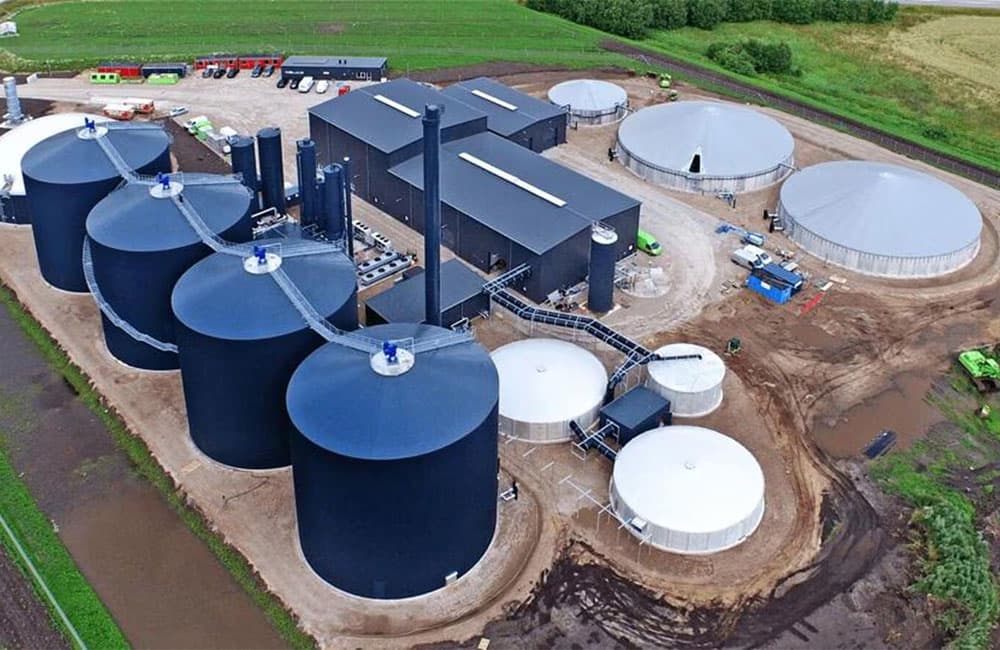
SATAT, Sustainable Alternative Towards Affordable Transportation, represents one of the world's most ambitious biogas policy frameworks: a national program under which oil marketing companies commit to purchasing compressed biogas at published prices from thousands of planned plants.
What effective policy frameworks guarantee
A signed Letter of Intent under SATAT provides developers with three critical elements: an assured buyer for produced CBG, a floor price mechanism reviewed periodically, and eligibility for capital cost assistance.
IWRREC's policy benchmarking report compares SATAT with analogous programs in Europe and North America, identifying common success factors: long-term offtake certainty, quality standards for grid or vehicle injection, and recognition by financial institutions as priority-sector lending.
Where projects still face risk
Offtake may be guaranteed, but feedstock supply is not. Projects falter when straw, press mud, or manure agreements are based on optimistic projections rather than enforceable contracts with verified availability.
IWRREC recommends securing at least 120% of nameplate feedstock under contract before financial close, a supply chain standard that prevents the most common cause of underperformance in policy-supported biogas programs worldwide.