Ending Stubble Burning: Paddy Straw as a Resource, Not a Pollutant
Every winter, burning paddy straw blankets regions in hazardous smog. Dry fermentation technology and supply chain standards now enable profitable straw-to-biogas conversion.
Farmers burn paddy straw not out of indifference but because the window between rice harvest and wheat sowing is narrow, and historical markets have not paid enough for straw to justify baling and transport. Changing the economics, backed by reliable supply chain standards, changes the outcome.
Overcoming the lignin barrier
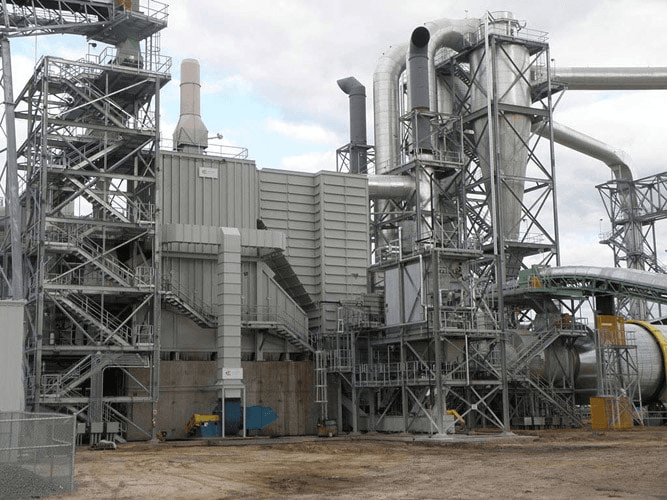
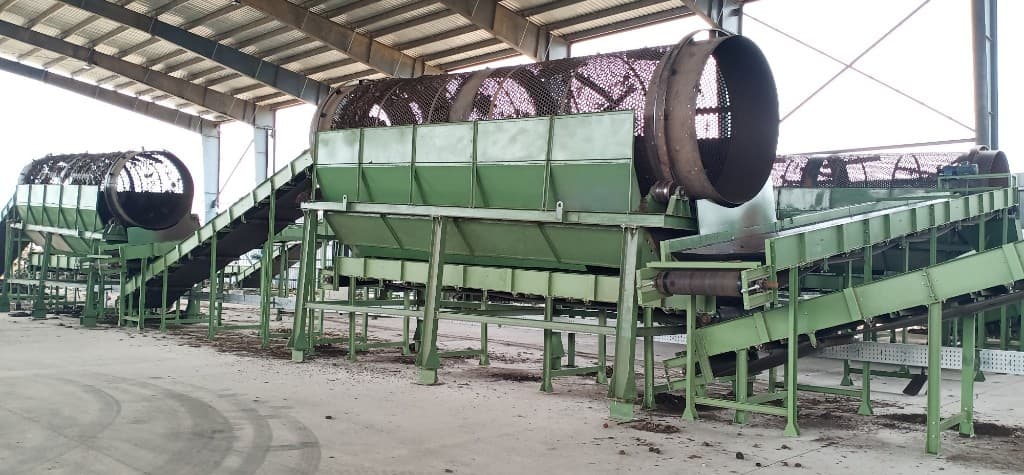
Straw resisted conventional digestion for decades: its lignocellulosic structure shields digestible material from microbes. Modern pre-treatment, mechanical maceration combined with alkaline conditioning, opens that structure, and dry fermentation systems handle the high-solids material that would clog wet digesters.
IWRREC's lignocellulosic feedstock processing standard defines pre-treatment parameters, solids handling requirements, and quality benchmarks for straw-based biogas facilities operating at commercial scale.
Supply chain standards that enable scale
Technology succeeds only when the supply chain does. IWRREC's agricultural residue collection protocol specifies baling logistics, digital weighbridge documentation, payment timelines, and digestate return pathways to originating fields.
Facilities operating under these standards have demonstrated the capacity to divert straw from tens of thousands of acres per season, measurable reductions in open burning visible in regional air quality monitoring and satellite fire detection data.