Smart Waste Management: How IoT and Data Standards Are Transforming Collection
Fill-level sensors, route optimization, and cloud monitoring are turning waste management from a logistics challenge into a data-driven discipline governed by interoperability standards.
A significant share of waste management cost is incurred before material reaches a processing facility, in trucks, fuel, and labor following fixed routes regardless of bin fill levels. Digital systems, backed by open data standards, are changing that equation.
Sensors on bins, intelligence on routes
Ultrasonic fill-level sensors report over LPWAN networks for years on a single battery charge. When integrated with route optimization platforms conforming to IWRREC's smart collection data protocol, municipalities routinely cut collection kilometers by 30% while eliminating overflowing bins.
Standardized data formats allow cities to switch vendors without losing historical performance records, a critical requirement for long-term infrastructure investments.
The connected processing facility
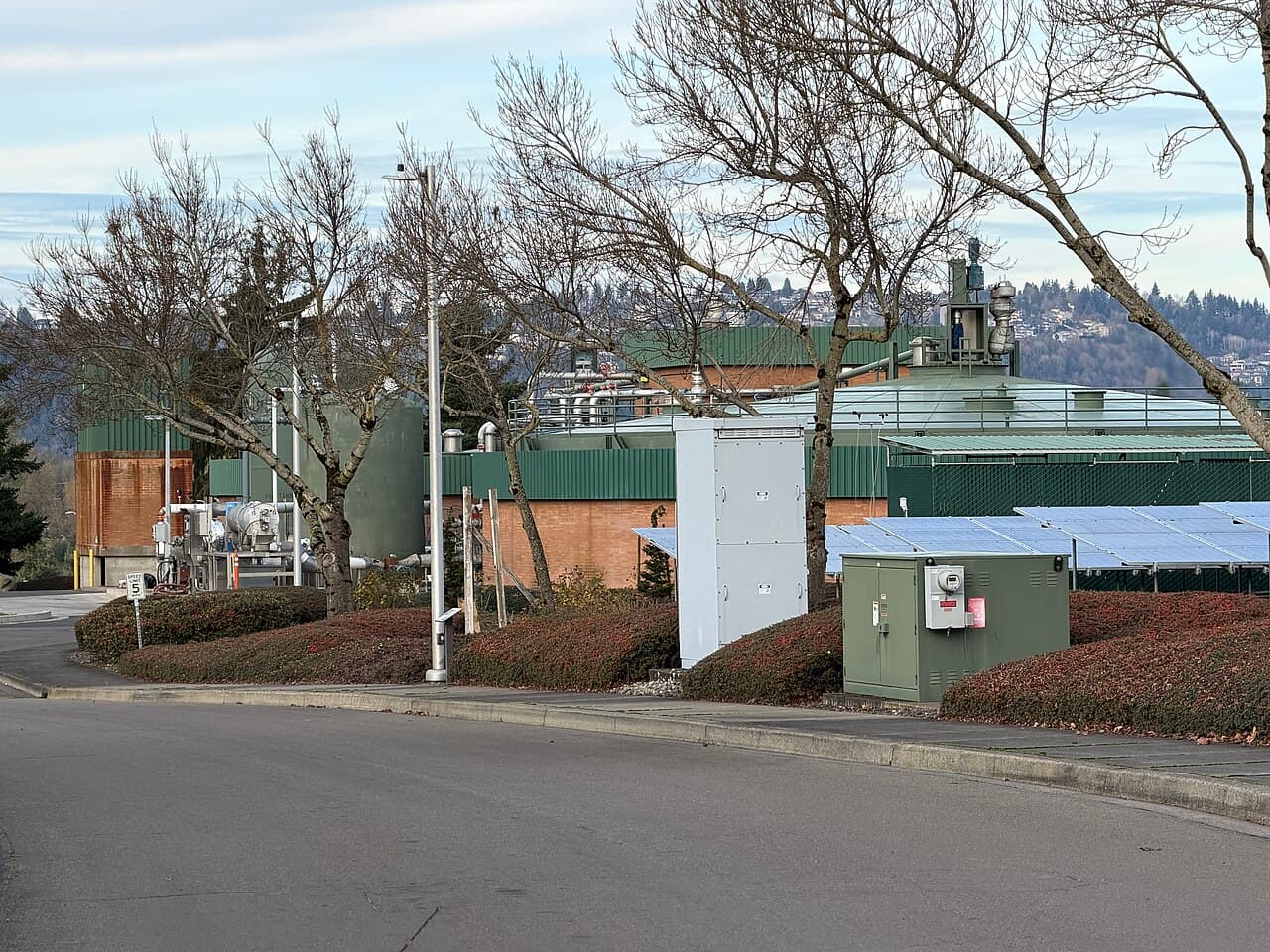
Inside the facility, the same data philosophy applies. Pumps, valves, and gas analyzers in modern waste resource recovery plants stream to cloud platforms where dashboards track yield per ton against benchmark performance curves.
IWRREC's digital operations reference architecture defines the minimum data points, reporting intervals, and security requirements that enable remote supervision, predictive maintenance, and transparent regulatory reporting across member facilities.