Zero-Waste Hotels: How Hospitality Meets Circular Economy Standards
Hotels generate significant organic waste daily while purchasing commercial fuel for kitchens. How on-site resource recovery and IWRREC certification frameworks are transforming hospitality sustainability.
A 200-room hotel discards between 300 and 500 kilograms of food waste daily, paying haulers to remove it while simultaneously purchasing LPG or natural gas for kitchen operations. On-site organic waste recovery closes this economic loop.
The micro-digester model
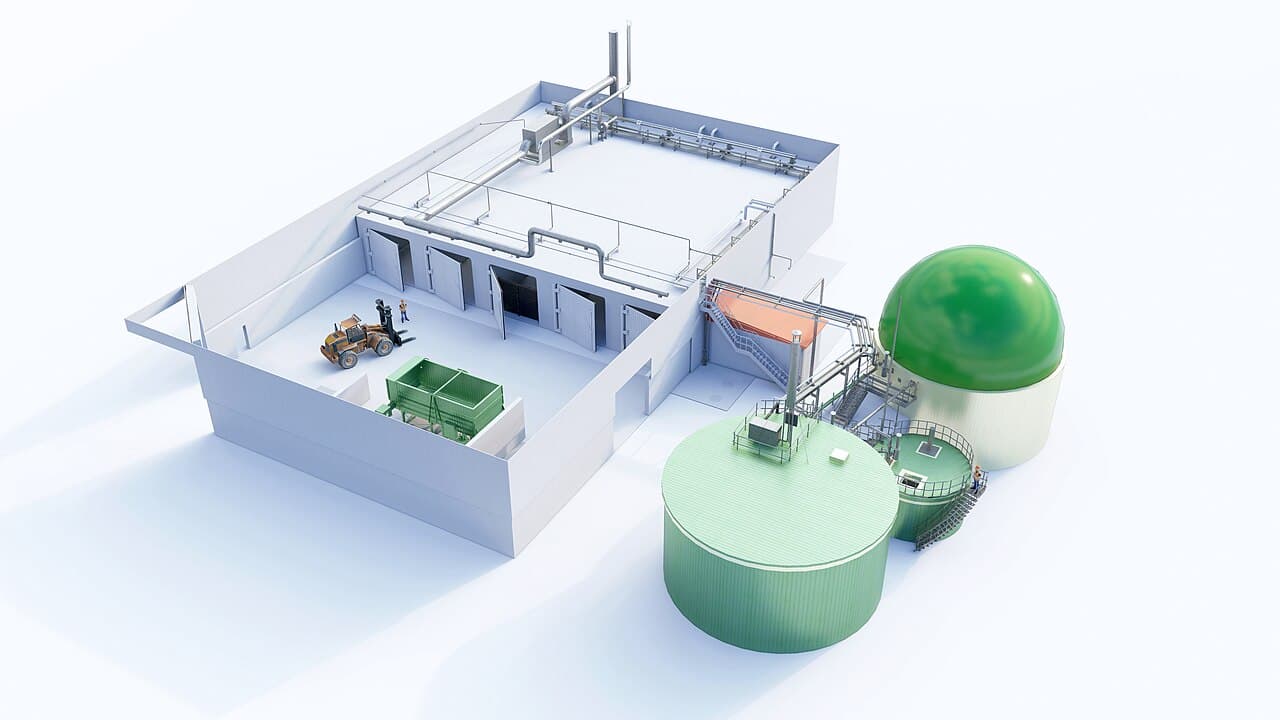
Containerized digesters processing 250–1,000 kg per day can be installed behind individual properties or serve small clusters. Kitchen waste enters each evening; by morning, biogas feeds burners in the same kitchen. Digestate is collected for centralized composting or agricultural use.
IWRREC's hospitality sector guidelines specify minimum performance metrics, safety requirements, and reporting templates for micro-scale installations, enabling chains to deploy standardized systems across multiple properties.
Certification as a business advantage
Zero-waste-to-landfill certification, verified against IWRREC's hospitality sustainability checklist, is increasingly influencing corporate event bookings and travel management company procurement decisions.
Hotels that document on-site resource recovery, with auditable waste diversion data and renewable energy offsets, gain a tangible competitive advantage in a market where sustainability credentials drive purchasing decisions.